
Helping Aging Parents Who Resist Change in Los Angeles
What to Do First When an Aging Parent Resists Change
By Dana Ehrlich, AI Certified Real Estate Broker™ & Los Angeles Senior Real Estate Agent
![[HERO] What to Do First When an Aging Parent Resists Change](https://cdn.marblism.com/LRPjGZBzh5j.webp "[HERO] What to Do First When an Aging Parent Resists Change")
If you're trying to help an aging parent who lives alone in Los Angeles , and they resist every suggestion , you're not doing anything wrong.
Resistance is one of the most common (and most misunderstood) parts of this stage of life.
Adult children often come in with facts, logic, and good intentions. Parents often respond with hesitation, deflection, or a firm "I'm fine."
That gap can feel exhausting.
First, Understand What Resistance Really Is
Most resistance isn't stubbornness.
It's fear.
Fear of losing independence. Fear of being pushed into decisions. Fear of leaving a familiar home. Fear of becoming a burden.
When you recognize that, the conversation changes.
Your parent isn't trying to make things harder for you. They're protecting what feels like the last thing they have control over , their autonomy.
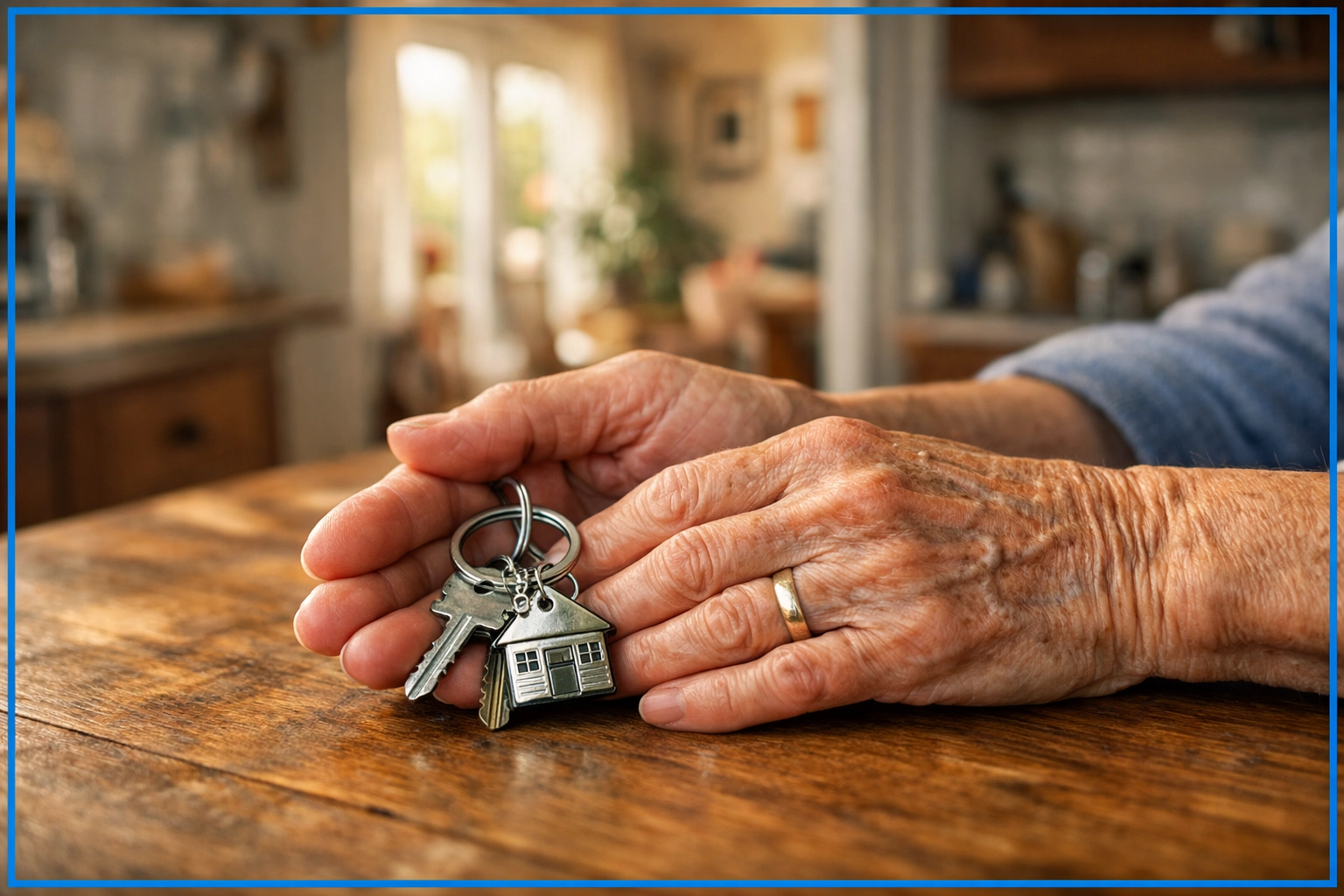
That shift in perspective matters because it changes how you enter the conversation. Instead of trying to convince them they're wrong, you're trying to understand what they're protecting.
What Not to Do First
When parents resist change, adult children often feel pressure to "convince" them. That usually backfires.
Try to avoid:
Presenting ultimatums
Leading with worst-case scenarios
Making decisions for them
Bringing too many people into the conversation at once
These approaches tend to increase defensiveness, even when your concerns are valid.
I've seen families go from warm to icy in a single conversation because someone led with "You can't live here anymore." That's not an opening , it's a shutdown.
The First Productive Step: Slow the Conversation Down
Instead of pushing for agreement, aim for understanding.
A powerful first step is simply asking:
"What worries you most about making a change?"
"What would you want to stay the same, no matter what?"
"What feels too fast right now?"
Listening without correcting builds trust , and trust is what lowers resistance.
You don't need to solve everything in one conversation. In fact, trying to do that is often what triggers the most pushback.
Start by hearing them. Really hearing them.
Let them express their fears without you immediately countering with solutions. Just nod. Acknowledge. Say, "I understand why you feel that way."
That simple act of validation can open doors that logic can't.

Why Timing Matters in Los Angeles
In a city like Los Angeles, aging alone comes with unique pressures: driving, home maintenance, distance, and isolation.
The sprawl makes it hard for adult children to check in regularly. The lack of walkability means your parent depends on a car for everything. The home they've lived in for decades may now feel too big, too much work, or too expensive to maintain.
But pointing that out too forcefully can feel threatening to a parent who values self-reliance.
The goal isn't to force action , it's to keep options open before urgency takes over.
I've worked with families who waited until a fall, a health crisis, or a financial emergency to have these conversations. By that point, the decisions had to be made under pressure , and everyone felt rushed, resentful, or out of control.
The earlier you can start these conversations (gently), the more breathing room you all have.
Shift From Decisions to Options
One of the most effective reframes is moving from decisions to options.
Instead of: "We need to sell the house."
Try: "Let's understand what options exist so we're not guessing later."
This subtle shift gives parents back a sense of control , which is often what they're protecting most.
It also takes the pressure off. You're not saying "We're doing this." You're saying "Let's explore what's possible."
That difference matters.
When your parent feels like they're being informed rather than instructed, resistance softens. They're more willing to engage when they don't feel cornered.
Start With Information, Not Action
You don't need your parent's permission to quietly gather information.
Learning:
What the home is worth as-is
What timelines look like
What flexibility exists
...doesn't force change , it reduces fear for everyone involved.
When parents see that information is being gathered calmly (not secretly or urgently), resistance often softens.
You can say: "I'm just learning what's out there so we know what's possible if we ever need it."
That's non-threatening. It's not a countdown to a decision. It's preparation , and preparation feels safer than pressure.

I've seen this approach work over and over again. Once parents realize you're not trying to trick them or force their hand, they start asking their own questions. That's when real conversations begin.
Progress Looks Like Small Wins
A productive first step might look like:
Agreeing to talk again later
Touring an option "just to look"
Reviewing information together
Acknowledging concerns without resolving them
Movement doesn't always look like agreement , sometimes it just looks like openness.
You're not trying to close the deal in conversation one. You're trying to keep the door open.
Small wins build momentum. And momentum builds trust.
Celebrate the fact that your parent listened. Celebrate the fact that they didn't shut down. Celebrate the fact that they agreed to think about it.
Those are victories , even if they don't feel like big ones in the moment.
A Personal Note
I work with families across Los Angeles who are navigating resistance with care and patience.
The families who make the most progress aren't the ones who push hardest , they're the ones who lead with empathy and clarity.
You don't need to win an argument. You need to preserve trust.
And here's the truth: your parent wants reassurance, not pressure. They want to know they still have a say. They want to feel heard. They want to believe that whatever happens next will honor their dignity.
When you slow down and lead with options, real conversations begin.
I've helped families explore what their parents' homes are worth, what programs exist to make selling easier, and what timelines look like , all without forcing a single decision.
That information becomes a bridge. It gives everyone room to breathe. And it keeps the door open for when the time feels right.
What's Next?
If you're stuck in a loop of resistance and want help understanding options quietly , without forcing decisions , you can start here.
Explore what your parent's home is worth as-is, with no obligation and no pressure. Just information that helps everyone feel more prepared.
Explore your options through Home Offers Easy
You're doing the right thing by thinking ahead. Now let's make sure you have the right support to do it with care.