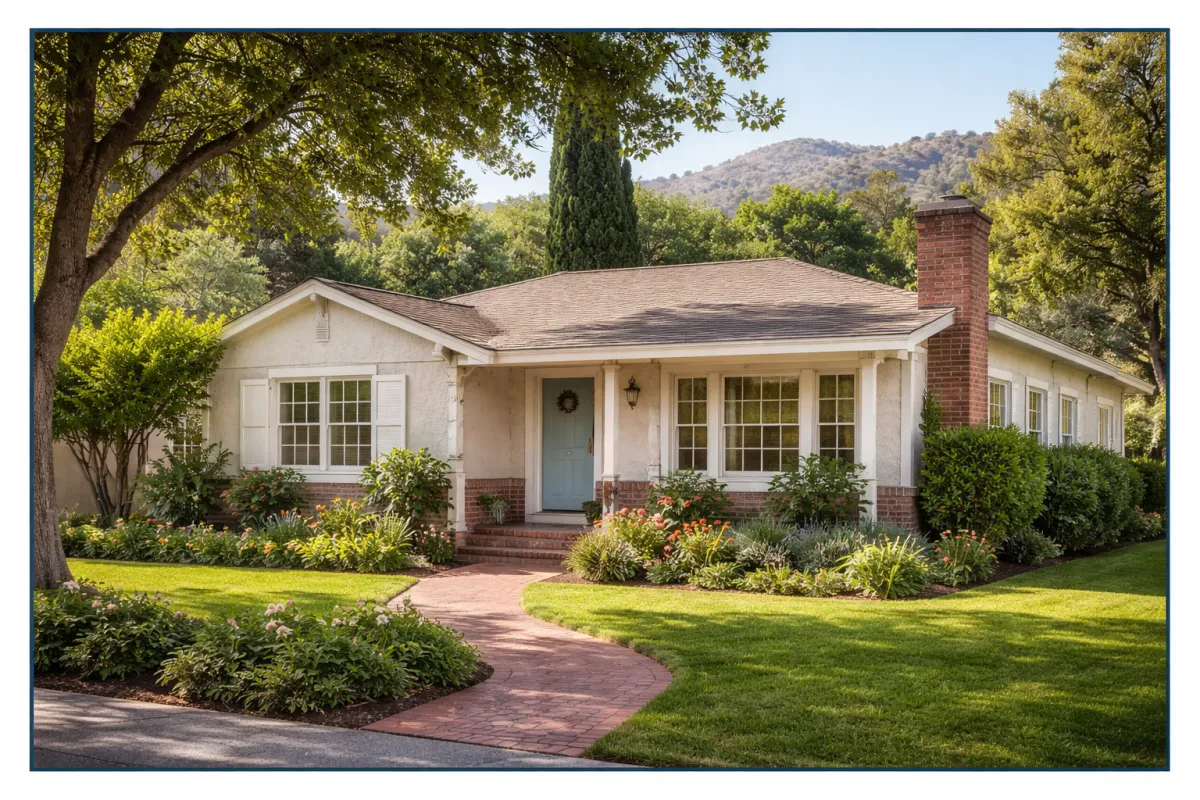
Planning Ahead for Seniors Living Alone in Los Angeles
Why Waiting for a Crisis Limits Options for Older Adults Living Alone in Los Angeles
Many families don’t plan to wait for a crisis.
It just… happens.
A parent is living alone in Los Angeles.
They seem okay.
Life is busy.
Distance makes everything feel harder to address.
So decisions get postponed — not out of neglect, but out of hope that clarity will arrive on its own.
In my experience, that’s rarely how it works.
How “We’ll Know When It’s Time” Usually Plays Out
Most families tell themselves they’re waiting for a clear sign:
A doctor says something definitive
A fall happens
A neighbor calls
A moment arrives that makes the decision obvious
The problem?
By the time that moment comes, choices have already narrowed.
What a Crisis Changes — Immediately
When something urgent happens, everything shifts at once:
Decisions are rushed
Emotions are heightened
Parents feel control slipping away
Adult children feel guilt and pressure
Financial and housing options shrink
Instead of planning thoughtfully, families are suddenly reacting.
And in Los Angeles — with its size, traffic, and complex housing market — reacting is expensive, stressful, and limiting.
Why Older Adults Living Alone Are Especially Vulnerable
For seniors living alone, crises don’t always look dramatic at first.
They’re often subtle:
Missed appointments
Declining mobility
Medication confusion
Home maintenance falling behind
Increased isolation
By the time these patterns are obvious from afar, intervention is usually urgent.
The Hidden Cost of Waiting
Waiting feels respectful.
But it often comes with hidden trade-offs:
Fewer housing choices
Less time to compare selling options
More emotional resistance from parents
Higher stress for adult children
Lower financial outcomes
Ironically, waiting to “protect independence” can result in less independence, not more.
What Planning Early Really Looks Like
Planning ahead doesn’t mean forcing a move or selling a home tomorrow.
It means:
Understanding the home’s as-is value
Knowing what timelines look like before pressure exists
Comparing options calmly
Giving parents time to process emotionally
Allowing adult children to act from clarity, not fear
When families do this early, conversations are softer — and decisions are better.
Why Los Angeles Makes Timing Even More Important
Los Angeles isn’t a simple market.
Older homes often need updates.
Neighborhood values vary dramatically.
Buyers behave differently depending on condition and timing.
When a crisis hits, families don’t have the luxury of learning the market — they’re forced to accept whatever is easiest in the moment.
Early planning keeps leverage where it belongs: with the family.
A Better Question to Ask
Instead of asking, “Is it time yet?”
A better question is:
“What options do we want available if something changes?”
That shift alone changes everything.
Frequently Asked Questions: Planning Before a Crisis
How do I know when it’s time to start planning?
If you’re asking the question at all, it’s time to start gathering information. Planning doesn’t mean forcing change — it simply gives you options before urgency limits them.
What if my parent insists they’re fine?
That’s very common. Resistance usually comes from fear of losing control, not denial. Presenting choices — instead of ultimatums — helps keep conversations collaborative.
Does planning early mean we have to sell the house right away?
No. Early planning is about understanding value, timelines, and flexibility. Many families gather information months or even years before making a move.
What if I live out of state and can’t manage repairs or showings?
You’re not alone. There are selling paths designed specifically for long-distance families that don’t require repairs, open houses, or ongoing oversight.
Is selling as-is a bad financial decision?
Not necessarily. In some cases, avoiding repairs, carrying costs, and emotional strain leads to a better overall outcome — especially when time and stress are factors.
How do I bring this up without upsetting my parent?
Start with curiosity, not conclusions. Framing the conversation around “options” and “peace of mind” — rather than change — lowers defenses.
What happens if we wait and something suddenly changes?
When decisions are made under pressure, choices are fewer and timelines are tighter. That’s why understanding options early is so valuable.
Who typically helps families through this process in Los Angeles?
Families often need a local advisor who understands senior transitions, the LA market, and how to support both generations with care and neutrality.
A Personal Note
I work with older adults living alone in Los Angeles — and with their adult children everywhere else. The families who feel the most at peace aren’t the ones who avoided the conversation the longest.
They’re the ones who gathered information early, quietly, and without pressure.
You don’t need certainty to plan.
You just need clarity.
Next step:
If you want to understand what options exist before urgency sets in, you can explore real, no-pressure paths here:
👉 [Home Offers Easy / Lead Capture CTA]
My opinion: waiting for a crisis feels kind — but planning early is what actually protects dignity, choice, and peace of mind.