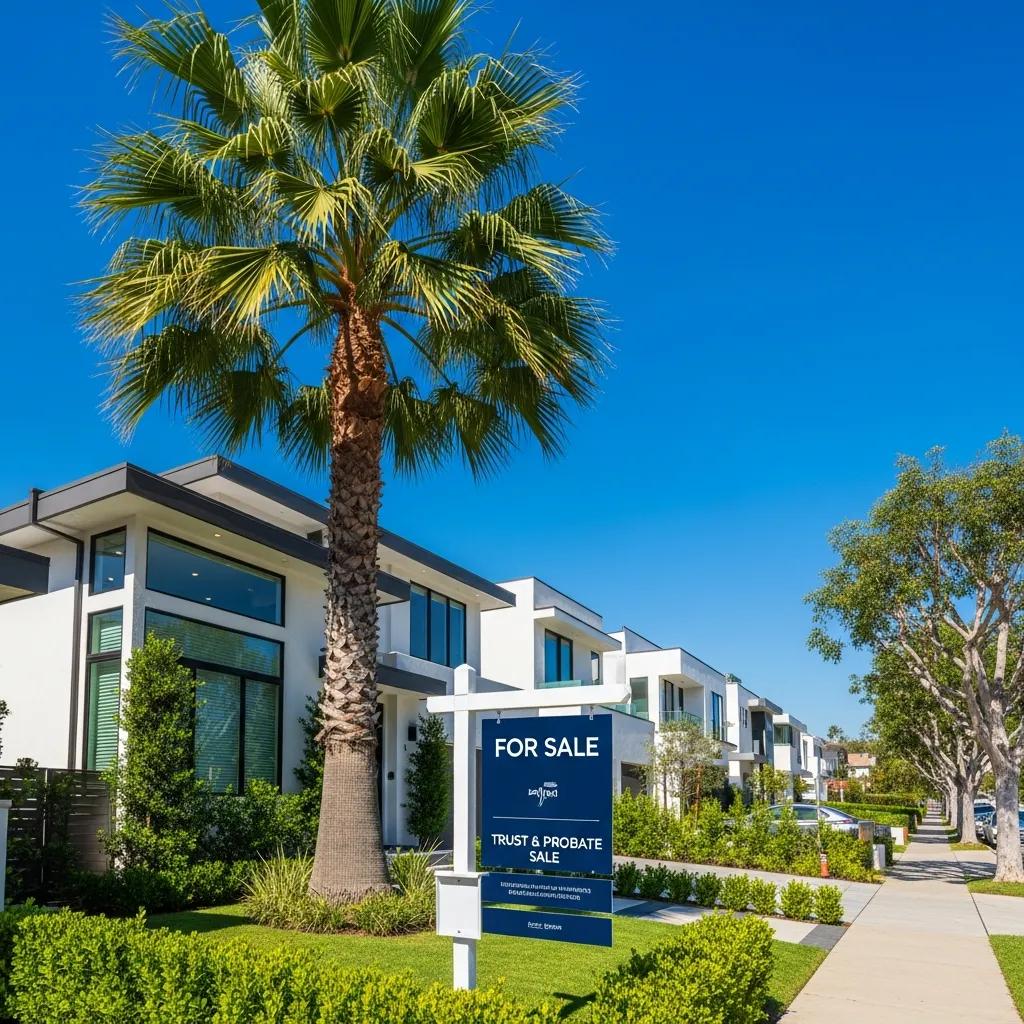
Comparing Trust and Probate Sales: LA Real Estate Insights
Trust Sales vs. Probate Sales in Los Angeles: Understanding Key Real Estate Differences and Selling Processes
By Dana Ehrlich, AI Certified Real Estate Agent™ & Los Angeles Senior Real Estate Specialist

Navigating the complexities of real estate transactions can be daunting, especially when dealing with trust and probate sales. In Los Angeles, these two types of sales serve distinct purposes and involve different processes, which can significantly impact sellers and buyers alike. This article will clarify the differences between trust sales and probate sales, providing insights into their respective processes, timelines, and legal requirements. Understanding these distinctions is crucial for homeowners, heirs, and real estate professionals involved in these transactions.
In this comprehensive guide, we will explore the definitions and workings of trust and probate sales, compare their key differences, outline the necessary legal documents, and discuss the implications of Proposition 19 on inherited property sales. Additionally, we will provide practical tips for sellers navigating these unique real estate markets in Los Angeles.
What Are Trust Sales and How Do They Work in Los Angeles?
Trust sales refer to the process of selling property held in a trust, typically managed by a trustee on behalf of the beneficiaries. This type of sale allows for a more streamlined transaction compared to probate sales, as it often bypasses the lengthy court processes associated with probate. Trust sales can occur when the property owner has passed away, and the trustee is responsible for managing the sale according to the terms of the trust.
What Defines a Trust Sale in California Real Estate?
In California, a trust sale is defined as the sale of real estate that is part of a trust. The trust is a legal entity that holds assets for the benefit of designated beneficiaries. The trustee, appointed by the trustor (the person who created the trust), has the authority to sell the property without needing court approval, provided they follow the guidelines set forth in the trust document. This flexibility often results in a quicker sale process, making trust sales an attractive option for many sellers.
What Is the Role of a Trustee in a Trust Sale?
The trustee plays a crucial role in a trust sale, acting as the fiduciary responsible for managing the trust's assets. Their duties include listing the property, negotiating offers, and ensuring that the sale complies with the trust's terms. The trustee must act in the best interests of the beneficiaries, which may involve obtaining fair market value for the property and providing transparency throughout the sale process. This responsibility can significantly impact the efficiency and success of the transaction.
What Is a Probate Sale and How Does It Differ in Los Angeles County?
Probate sales occur when a deceased person's estate must go through the legal process of probate, which involves validating the will and distributing the deceased's assets. In Los Angeles County, probate sales are often more complex and time-consuming than trust sales, as they require court approval and adherence to specific legal procedures.
What Is the Probate Sale Process Under California Probate Code?

The probate sale process under the California Probate Code involves several steps. First, the executor or administrator of the estate must file a petition with the probate court to obtain permission to sell the property. Once approved, the property is typically listed for sale, and interested buyers can submit offers. The executor or administrator must then present these offers to the court for approval, which can lead to a court-confirmed sale process that may include an overbid procedure rather than a public auction. This process ensures that the sale is conducted fairly and transparently, but it can also prolong the timeline significantly.
How Do Executors Manage Probate Sales in Los Angeles?
Executors manage probate sales in Los Angeles by following court-mandated procedures that create a transparent and competitive environment among buyers, often through an overbid process. They can sell properties as-is, which accelerates the selling process without the need for repairs or staging. Executors are supported with tailored solutions that align with their financial goals and timelines, ensuring a seamless experience from consultation to closing.
How Do Trust Sales and Probate Sales Compare: Key Differences in LA Real Estate?
Understanding the differences between trust and probate sales is essential for anyone involved in real estate transactions in Los Angeles. These differences can affect timelines, costs, and the overall selling experience.
What Are the Timeline Differences Between Trust and Probate Sales?
The timeline for trust sales is generally shorter than that of probate sales. Trust sales can often be completed within a few weeks, as they do not require court approval. In contrast, probate sales can take several months due to the necessary court processes, including hearings and potential delays in obtaining approvals. This difference can significantly impact sellers who need to sell quickly.
How Do Costs and Court Involvement Vary Between These Sales?
Costs associated with trust sales are typically lower than those for probate sales. Trust sales do not incur the same court fees and legal expenses that probate sales do, as they bypass the court system. Additionally, the involvement of attorneys and other professionals may be less in trust sales, further reducing costs. In probate sales, court involvement is mandatory, which can lead to higher overall expenses for the estate.
What Legal Documents and Requirements Are Needed for Trust and Probate Sales in Los Angeles?
Both trust and probate sales require specific legal documents to ensure compliance with California laws. Understanding these requirements is crucial for a successful transaction.
Which Documents Are Essential for a Trust Sale in LA County?
For a trust sale in Los Angeles County, essential documents include the trust agreement, a trustee's deed upon sale, and any relevant disclosures required by California law. The trust agreement outlines the terms under which the property can be sold, while the trustee's deed transfers ownership to the buyer. Additionally, the trustee must provide disclosures regarding the property's condition and any known issues.
What Are the Required Probate Court Confirmations and Filings?
In a probate sale, several court confirmations and filings are required. The executor or administrator must file a petition for probate, which includes the will (if one exists) and a list of the deceased's assets. Once the court approves the sale, the executor or administrator must submit a report of sale and a petition for confirmation of the sale to the court. This process ensures that the sale is legally binding and protects the interests of the beneficiaries.
How Does Proposition 19 Impact Inherited Property Sales in Los Angeles?
Proposition 19, passed in California in November 2020 and effective February 16, 2021, has significant implications for inherited property sales, particularly in the context of trust and probate sales. Understanding these impacts is essential for homeowners and beneficiaries.
What Are the Tax Implications of Proposition 19 for Trust and Probate Sales?
Proposition 19 alters the tax benefits associated with inherited properties. Under this law, beneficiaries can only retain the property tax base of the deceased if they use the inherited property as their primary residence and file a claim within three years of the transfer. If the property is sold or not used as a primary residence, it is reassessed at market value, leading to potentially higher property taxes. This change can affect the financial outcomes of both trust and probate sales, making it crucial for sellers to consider the tax implications when planning their transactions.
How Can Homeowners Benefit from Proposition 19 in Estate Planning?
Homeowners can benefit from Proposition 19 by strategically planning their estate to minimize tax liabilities. By ensuring that inherited properties are used as primary residences, beneficiaries can retain lower property tax rates. Additionally, understanding the implications of this law can help families make informed decisions about selling inherited properties, potentially maximizing their financial benefits.
How Can Sellers Navigate Trust and Probate Sales Successfully in the Los Angeles Market?
Sellers can navigate trust and probate sales successfully in the Los Angeles market by exploring various selling options such as traditional sales, cash offers, and selling inherited homes. They can benefit from services that allow them to sell their property as-is, move on their timeline, and avoid repairs and showings. Utilizing a proven marketing strategy that offers transparency and control can also help sellers manage the complexities of probate sales effectively. Additionally, seeking professional guidance through consultations can provide tailored insights and support throughout the process.
What Are the Benefits of Using a Specialized Real Estate Agent for These Sales?

The benefits of using a specialized real estate agent for sales include:
- Data-Driven Pricing: They can set a list price that maximizes your sale based on market data, helping to attract potential buyers.
- Personalized Marketing: Specialized agents can target marketing efforts to the most likely buyers using predictive analytics, increasing exposure and chances of finding the ideal buyer.
- Efficiency and Convenience: They offer modern conveniences like virtual tours, automated scheduling, and digital document handling, making transactions smoother and faster.
- Negotiation Power: With access to extensive market data, they can craft informed offers and counter-offers, enhancing your negotiation position.
- Personal Touch: Despite using advanced technology, they maintain a friendly, professional human connection, ensuring clients feel supported throughout the process.
What Local Market Trends Affect Trust and Probate Sales in 2026?
As we look into 2026, several local market trends are influencing trust and probate sales in Los Angeles. The demand for properties in desirable neighborhoods continues to rise, leading to competitive bidding situations. Additionally, the increasing awareness of Proposition 19's implications is prompting sellers to consider their options carefully. Understanding these trends can help sellers make informed decisions and adapt their strategies to the evolving market landscape.
| Sale Type | Timeline | Cost Implications | Court Involvement |
|---|---|---|---|
| Trust Sale | Short (weeks) | Lower costs, fewer fees | Minimal |
| Probate Sale | Long (months) | Higher costs, court fees | Mandatory |
This comparison highlights the significant differences between trust and probate sales, emphasizing the importance of understanding each process to make informed decisions in the Los Angeles real estate market.
Frequently Asked Questions
What are the common challenges faced during trust and probate sales?
Common challenges in trust and probate sales include navigating legal complexities, managing timelines, and dealing with emotional stress. In probate sales, the requirement for court approval can lead to delays, while trust sales may involve disputes among beneficiaries. Additionally, both types of sales can face market fluctuations that affect property values. Sellers may also encounter difficulties in pricing the property correctly or ensuring compliance with legal requirements, which can complicate the selling process and impact overall outcomes.
How can sellers prepare their property for a trust or probate sale?
Sellers can prepare their property for a trust or probate sale by conducting necessary repairs and cleaning to enhance its appeal. Staging the home can also attract potential buyers, making it more marketable. Additionally, obtaining a pre-sale inspection can identify issues that need addressing before listing. Sellers should also gather all relevant documentation, such as the trust agreement or probate filings, to ensure a smooth transaction. Consulting with a real estate professional can provide tailored advice on maximizing the property's value.
What role does a real estate attorney play in trust and probate sales?
A real estate attorney plays a vital role in trust and probate sales by providing legal guidance throughout the process. They help ensure compliance with state laws, assist in drafting necessary documents, and represent the seller's interests in court if needed. An attorney can also help navigate complex issues, such as disputes among beneficiaries or challenges to the will. Their expertise can be invaluable in avoiding legal pitfalls and ensuring that the sale proceeds smoothly and efficiently.
Are there specific tax considerations for sellers in trust and probate sales?
Yes, sellers in trust and probate sales must consider various tax implications. For instance, capital gains taxes may apply if the property is sold for more than its basis. Additionally, Proposition 19 affects property tax assessments for inherited properties, potentially leading to higher taxes if the property is not used as a primary residence. Sellers should consult with a tax professional to understand their specific situation and plan accordingly to minimize tax liabilities during the sale process.
What are the benefits of selling a property as-is in a trust or probate sale?
Selling a property as-is in a trust or probate sale can offer several benefits, including a quicker transaction and reduced costs associated with repairs and renovations. This approach appeals to buyers looking for investment opportunities or those willing to undertake renovations themselves. Additionally, it allows sellers to avoid the stress and expense of preparing the home for showings. However, sellers should be transparent about the property's condition to maintain trust with potential buyers and comply with disclosure requirements.
How can sellers ensure a fair market value for their property?
Sellers can ensure a fair market value for their property by conducting a comparative market analysis (CMA) to assess similar properties in the area. Engaging a qualified real estate agent can provide insights into current market trends and pricing strategies. Additionally, obtaining a professional appraisal can offer an objective valuation. Sellers should also consider the property's condition, location, and unique features when determining the asking price, ensuring it aligns with buyer expectations and market demand.
Conclusion
Understanding the differences between trust and probate sales in Los Angeles is essential for making informed real estate decisions. Each type of sale offers unique benefits, from streamlined processes in trust sales to the legal protections of probate sales. By leveraging this knowledge, sellers can navigate their options effectively and maximize their outcomes. For personalized guidance tailored to your situation, consider reaching out to a specialized real estate agent today.