Out-of-State Adult Children With Parents Living Alone in Los Angeles
When You Live Out of State — and Your Parent Is Living Alone in Los Angeles
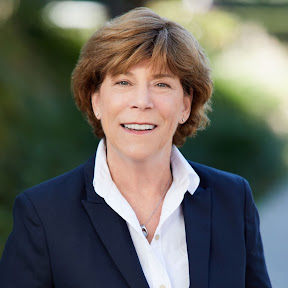
By Dana Ehrlich, AI Certified Real Estate Broker™ & Los Angeles Senior Real Estate Specialist
If you live out of state and your parent is still living alone in Los Angeles, you’re probably managing two parallel lives.
Your own — work, family, responsibilities where you live now.
And theirs — from a distance, through phone calls, texts, and a constant low-grade worry.
You check in.
They say they’re fine.
And yet… something doesn’t quite sit right.
This is one of the most common — and emotionally complicated — situations I see.
Distance Changes Everything
When you’re not nearby, even simple things feel heavier:
You can’t “pop by” to check on them
You don’t see gradual changes in mobility or cognition
You’re relying on self-reporting — which is often filtered
Small issues feel big because you can’t assess them yourself
In Los Angeles, that distance is amplified. The city is vast, traffic is real, and systems aren’t designed with aging alone in mind.
The Silent Stress Adult Children Carry
Most adult children don’t talk about this openly, but I hear it all the time:
What if something happens and I’m not there?
Am I waiting too long?
What if I push too hard and damage our relationship?
What if I don’t push hard enough — and regret it later?
This emotional tug-of-war often leads to one thing: inaction.
Not because you don’t care — but because every option feels loaded.
Why the House Becomes the Pressure Point
At some point, nearly every long-distance caregiving conversation circles back to the home.
The house represents:
Safety (or risk)
Financial security
Emotional history
And future flexibility
But when you live out of state, managing a Los Angeles home — especially one owned for decades — feels overwhelming.
Repairs.
Contractors.
Permits.
Market timing.
Logistics you simply can’t oversee from afar.
So the decision gets postponed… until something forces it.
The Problem With Waiting for a “Clear Sign”
Many families wait for a definitive moment:
A fall
A health scare
A doctor’s warning
A neighbor’s call
But in my experience, waiting for clarity often reduces options instead of creating them.
Urgency narrows choices.
Emotion clouds judgment.
And families are left reacting instead of planning.
A More Grounded First Step — Even From a Distance
Here’s what I encourage out-of-state adult children to do first:
Don’t decide what to do yet.
Decide to get informed.
That means understanding:
What the home is worth as-is
What timelines actually look like
What selling paths exist without repairs
What flexibility your parent truly has
When you have real numbers and real options, conversations shift from fear to facts.
Why Comparing Options Changes the Tone of the Conversation
When parents feel boxed into one solution, resistance is natural.
But when they’re presented with choices — especially ones that preserve dignity and control — something softens.
A multi-option approach allows families to:
Compare cash offers vs. traditional sale outcomes
Avoid unnecessary repairs
Choose timing intentionally
Reduce stress on everyone involved
For adult children living out of state, this creates confidence.
For parents, it restores agency.
This Isn’t About Forcing a Move
Let me be clear — exploring options doesn’t mean your parent has to move tomorrow.
It means:
You’re not guessing
You’re not reacting
You’re not carrying this alone
It’s planning with compassion, not pressure.
A Personal Note
I work with adult children all over the country whose parents are living alone in Los Angeles. My role is often to act as a calm, local bridge — someone who understands the market, the logistics, and the emotional weight on both sides.
You don’t need to solve everything today.
You just need clarity.
Next step:
If you want to understand what’s possible — without committing to anything — you can start by reviewing real, no-pressure options here:
👉 [Home Offers Easy / Lead Capture CTA]
My opinion: long-distance caregiving is hardest when you’re guessing. Information doesn’t force decisions — it gives you peace of mind.